Blog
Our product names are a tribute to pioneering scientists
November 21, 2021
People often ask us why our products have the names they do. They really go against the grain if you compare them to most radiotherapy devices in our field. They usually sound high tech, robotic and clinical.
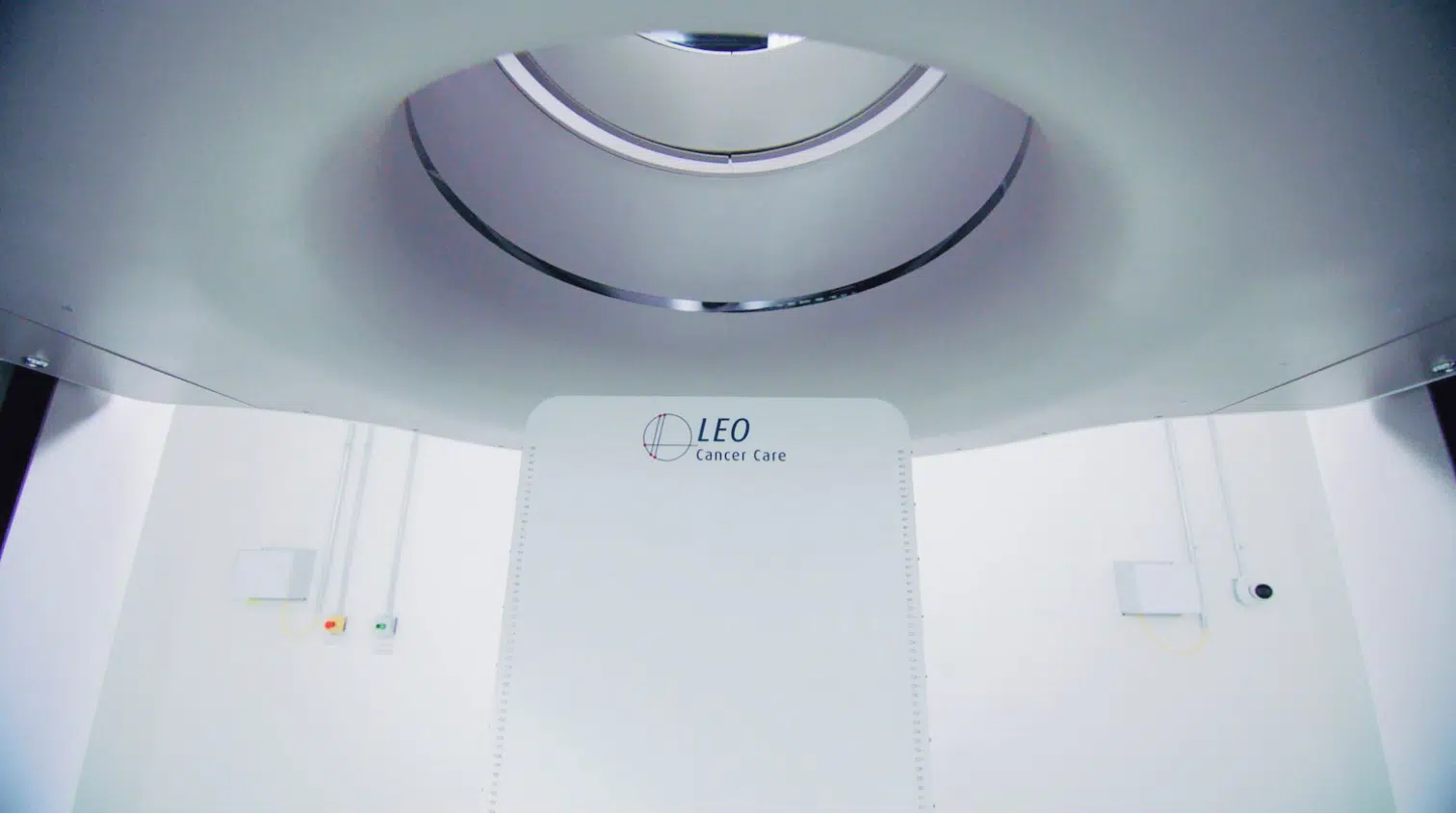
Receiving radiotherapy can be a very scary time for patients and we want to do whatever we can to ease the fear and anxiety they experience. Walking into a treatment room to be greeted by Marie, Ruby or Aida, we hope, will feel familiar and less intimidating compared to most radiotherapy machines.
So once we landed on giving our products human names, we decided we wanted to pay tribute to trailblazing scientists that went against all odds to leave their mark on history. In this pursuit, it was clear that many of these were women. With the odds stacked against them to have a job in their field and to have their voice be heard, these women made discoveries that will help people around the world forever, and we hope our technology will have a small slice of the positive impact they did.
Our goal at Leo Cancer Care is to be the more human way to deliver radiation therapy and our technology is a paradigm shift from the norm. So we really resonated with the stories of these pioneering scientists and will proudly share their names as a tribute to the contributions they have made.
Marie our particle therapy solution is named after Marie Curie. A physicist and chemist that spearheaded research into radioactivity. In World War I Marie Curie developed a mobile X-Ray unit to provide services to field units. She was the first woman to win a Nobel Prize, the first person to win the Nobel Prize twice in two different scientific fields.

Grace was a U.S. Navy rear admiral until the age of 79. She was a pioneer in developing computer technology. She had a PhD in mathematics from Yale University and was one of the first programmers for the Harvard Mark I computer, which was the precursor of the electronic computer. She wrote the first ever computer manual and invented the first complier which paved the way for modern software development. Grace was a true advocate for innovation famously said;
“The most dangerous phrase in the language is, ‘We’ve always done it this way’, these are days of fast changes and if we don’t change with them, we can get hurt or lost.”

Aida our multi-axis computed tomography imaging solution is named after Florence Ada Stoney. Florence was an Irish physician who was the first female radiologist in the United Kingdom, at a time when knowledge on radiology was still in its developmental stages. She was forced to work in poor conditions with lack of space for X-ray work. During World War I she served abroad as head of the X-ray department in makeshift hospitals after being denied to help the British War Office mainly due to her being a woman. She and her team were awarded the 1914 Star for Bravery for their contributions in this time.

Image of Florence Ada Stoney sourced from WES Centenary. Aida is not currently available for sale.
We hope you can join us in celebrating these phenomenal scientists and their stories with our products’ names paying homage to them. We are inspired daily by their nonconformist, trailblazing lives in and out of science and feel this reflects the journey we are on to find a better, more human way to deliver radiation therapy.
Hear our Head of Marketing, Fiona Redford explain more about our product names in this short video.
Subscribe to our newsletter
STAY CONNECTED
Get the latest updates and exclusive offers delivered straight to your inbox
Subscribe