


Resources

Toby’s Magic Chair


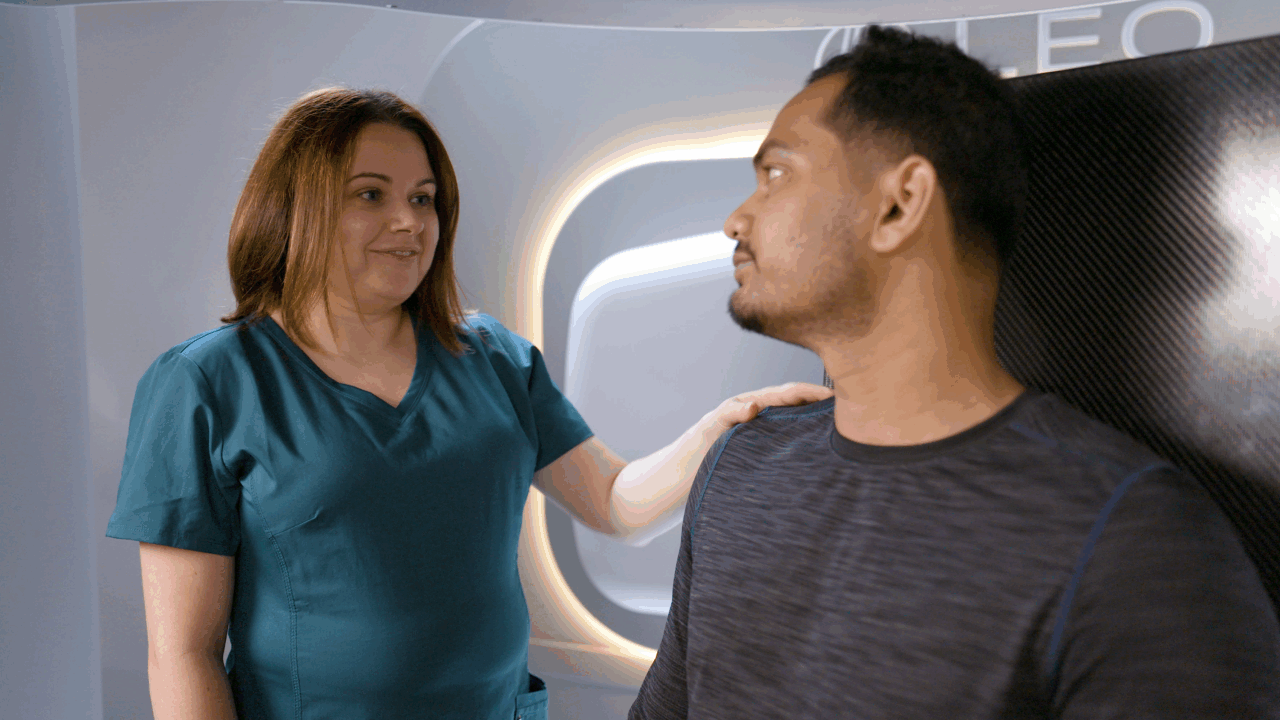


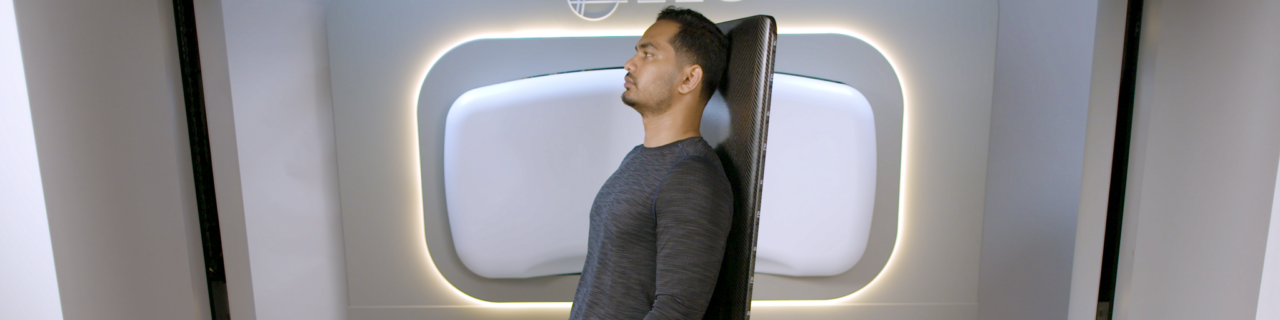
In September, we’ll be joining the radiation therapy community for the ASRT Radiation Therapy Conference, a key event focused on advancing clinical practice, education, and patient care for radiation therapists.
This conference brings together professionals dedicated to improving treatment delivery and patient outcomes—values that strongly align with our mission at Leo Cancer Care: creating a more human way to deliver radiation therapy, with a focus on enhancing comfort, dignity, and the overall patient experience.
Throughout the event, we’ll be welcoming visitors to booth 15 to connect with our team, learn more about upright radiotherapy, and explore how we’re helping shape a more patient-centred future in cancer care.
Location: Boston Marriott Copley Place
Expo Hall Hours:
Sept. 27: 7:00 a.m.–2:30 p.m.
Sept. 28: 7:00 a.m.–2:30 p.m.
Sept. 29: 7:00 a.m.-11:00 a.m.
Don’t miss Leo Cancer Care at ASTRO 2026
Location: Thomas M. Menino Convention and Exhibition Center
Shuttle service provided

Click the hotspots to find out more
Head & Neck
3% of cancer cases
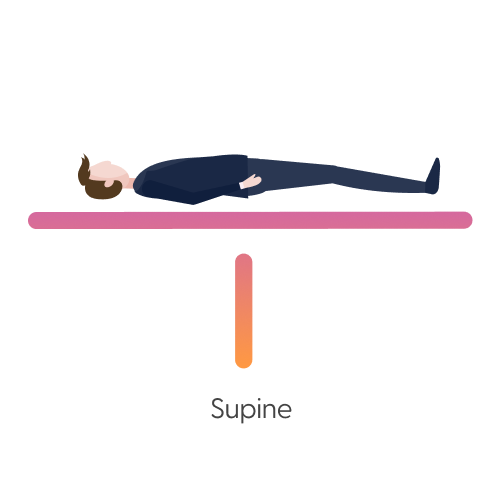
A study by Alghadir et al found that difficulty swallowing was 6 times greater when a patient is lying down with their neck extended compared to upright. Suggesting that being treated in an upright position could help patients better manage thick oral secretions and potentially reduce the risk of aspiration and patient anxiety.
Lung
22% of cancer cases
A study by a team at MD Anderson indicated that in the upright orientation, lung volume was on average 25% larger but in some cases up to 50% larger. This increased lung volume also reported a reduction in breathing motion, potentially allowing clinicians to challenge current treatment margins for thoracic tumours.
Breast
22% of cancer cases
Increased upright lung volumes suggest that improved cardiac and lung sparing could be achievable for breast radiotherapy. A recent study concluded that, upright body positioning for breast radiotherapy appears to be comfortable and feasible.
Liver
9% of cancer cases
A research paper by the Paul Scherrer Institute identified that when a patient lies down the liver can drift and deform in position up to 20mm over 35 minutes. This could affect tumour location during treatment when patients are in the supine position.
Prostate
13% of cancer cases
Recent data indicated that when upright, the prostate may move less. The paper reported that the position is unaffected by changes in bladder fill, the space between sacrum and anterior bladder wall is also significantly smaller.

Increased lung volumes upright suggest that improved cardiac and lung sparing could be achievable for breast radiotherapy. A recent study concluded that, upright body positioning for breast radiotherapy appears to be comfortable and feasible [1].

A study by Alghadir et al found that difficulty swallowing was 6 times greater when a patient is lying down with their neck extended compared to upright [3]. Suggesting that being treated in an upright position will help patients better manage thick oral secretions and reduce the risk of aspiration and patient anxiety.

A research paper by the Paul Scherrer Institute identified that when a patient lies down the liver can drift and deform in position up to 20mm over 35 minutes [2] . This could affect tumour location and accuracy during treatment when patients are in the supine position.

A study by a team at MD Anderson suggested that in the upright orientation, lung volume was on average 25% larger but in some cases up to 50% larger [5]. This increased lung volume suggested a reduction in breathing motion, allowing clinicians to challenge current treatment margins for thoracic tumours.

Recent data indicated that when upright, the prostate has been shown to move less. Its position is unaffected by changes in bladder fill, the seminal vesicles are pushed down by the bladder allowing them to be included in treatment volumes without compromising on healthy tissue, the space between sacrum and anterior bladder wall is also significantly smaller [4].
100%
Patients found it comfortable to breathe [6]

87%
Patients found it comfortable to breathe [6]
94%
Patients felt it easy to get out of the system [6]
60%
Patients felt it easy to get out of the system [6]
87%
Patients felt stable [6]
67%
Patients felt stable [6]
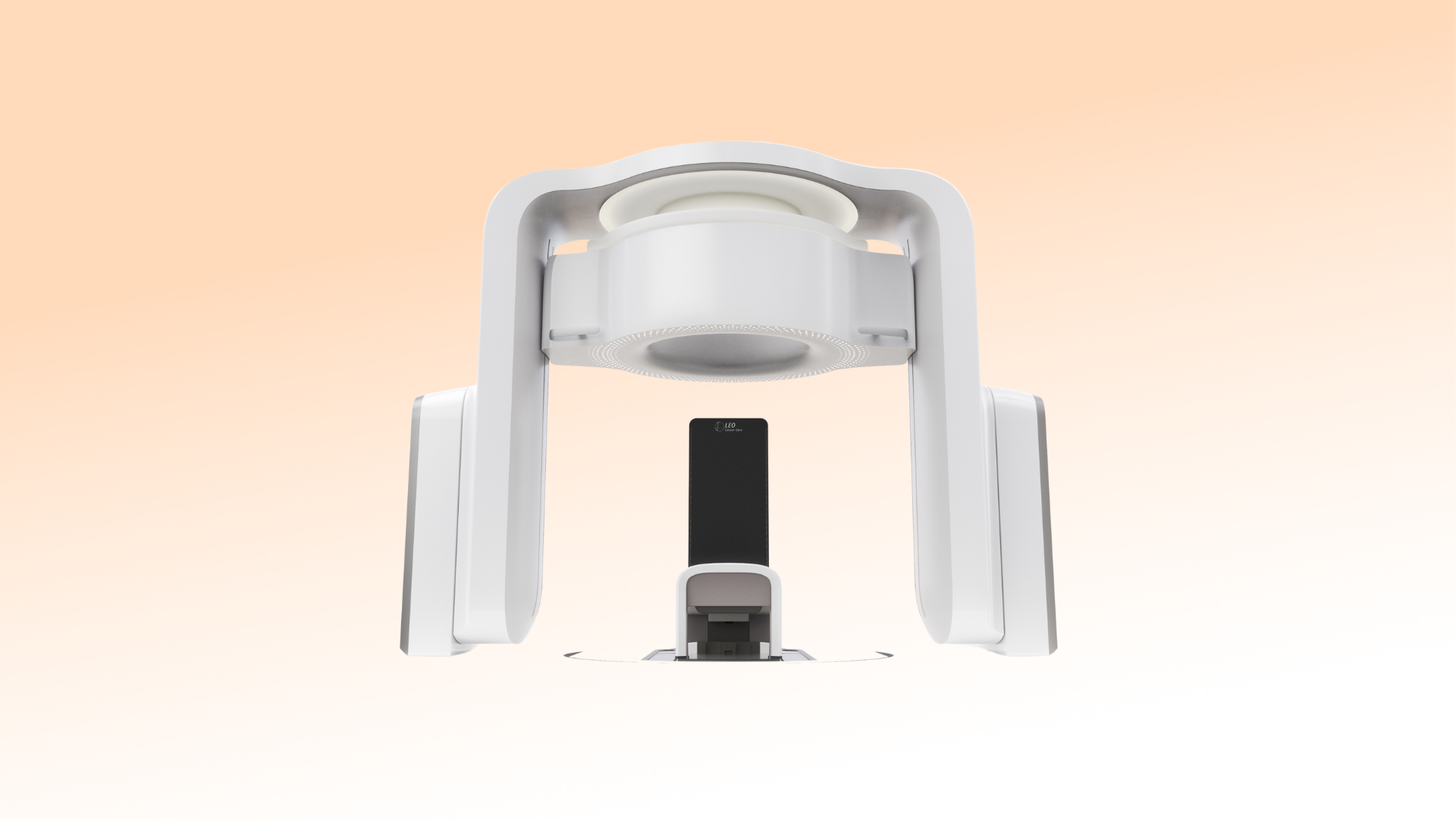
Marie is our upright particle therapy solution, combining a fan beam CT scanner with a patient positioning system. Designed to integrate with any fixed particle beam, it enables proton therapy, carbon ion therapy, and BNCT - helping reshape the future of particle therapy.

Grace is our future photon therapy solution, combining a rapid MLC, fan beam CT scanner, and upright patient positioning system. *Presented for research and development purposes only. Not yet commercially available.
This year, Leo Cancer Care returns to ASTRO as the pioneer of upright cancer treatment – with a growing installed base and a clear view of where radiotherapy is headed next.
VISIT THE ASTRO HUBGet the latest updates and exclusive offers delivered straight to your inbox
Subscribe
